Paul, the School of Tyrannus, and the Great Riot of Ephesus
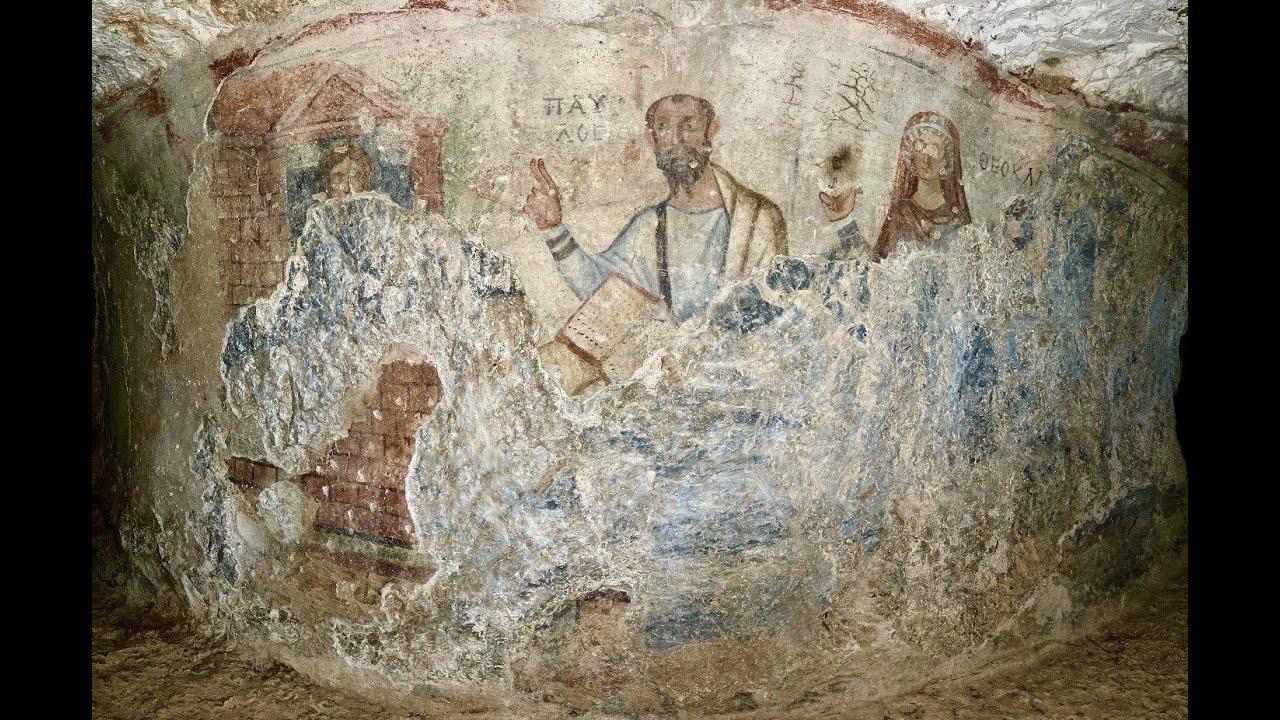
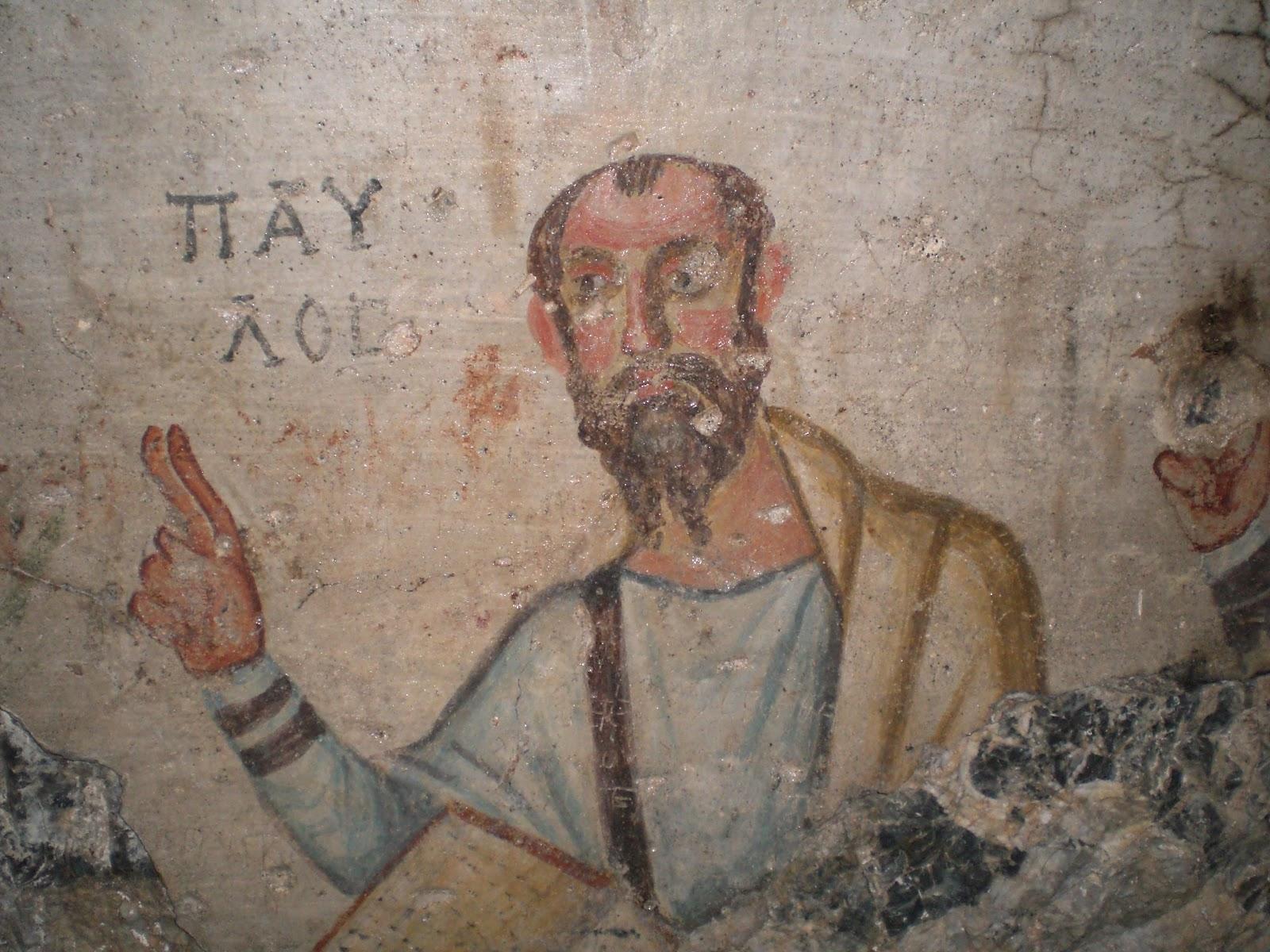


The City That Changed the Course of History: Apostle Paul, the School of Tyrannus, and the Great Riot of Ephesus
As you walk along the marble streets of Ancient Ephesus, you don't just see grand columns and magnificent temples; you hear the echoes of one of the greatest religious and social transformations of the ancient world. The three years Apostle Paul spent in Ephesus during the 1st century AD marked a crucial turning point for both early Christian history and this metropolis of the Roman Empire.
So, what exactly did Paul do in Ephesus? What was behind the teachings that spread from a single classroom to the entire city, and the massive riot that followed?
The School of Tyrannus: A Two-Year Marathon in the Ancient World
Upon arriving in Ephesus, Paul initially began preaching in the local synagogue. However, when his message faced strong resistance, he shifted his focus. He moved his daily discussions to the School of Tyrannus, believed to have belonged to a prominent local philosopher or rhetorician.
The Book of Acts in the New Testament describes this period:
"But some of them became obstinate; they refused to believe and publicly maligned the Way. So Paul left them. He took the disciples with him and had discussions daily in the lecture hall of Tyrannus. This went on for two years, so that all the Jews and Greeks who lived in the province of Asia heard the word of the Lord."
— Acts 19:9–10
During the hot afternoon hours—when Ephesians typically paused work to rest—Paul gathered people in this lecture hall to debate and spread the new faith. This two-year effort ensured that the message spread beyond Ephesus to the rest of the Aegean region and Western Asia Minor.
The Great Image of Artemis and Economic Collapse
Paul’s growing influence triggered an unexpected crisis in the city: an economic downturn.
Ephesus was home to the Temple of Artemis, one of the Seven Wonders of the Ancient World. A significant portion of the city's economy relied on thousands of pilgrims visiting the shrine and the local silversmiths who made and sold silver shrines of Artemis. As Paul’s teaching that "gods made by human hands are no gods at all" gained traction, sales of these silver shrines plummeted.
Demetrius, a silversmith who led the local trade guild, gathered his fellow craftsmen and sparked the initial protest:
"You know, my friends, that we receive a good income from this business. And you see and hear how this fellow Paul has convinced and led astray large numbers of people here in Ephesus and in practically the whole province of Asia. He says that gods made by human hands are no gods at all. There is danger not only that our trade will lose its good name, but also that the temple of the great goddess Artemis will be reckoned as nothing; the goddess herself, who is worshiped throughout the province of Asia and the world, will be robbed of her divine majesty."
— Acts 19:25–27
Echoes in the Theatre: "Great is Artemis of the Ephesians!"
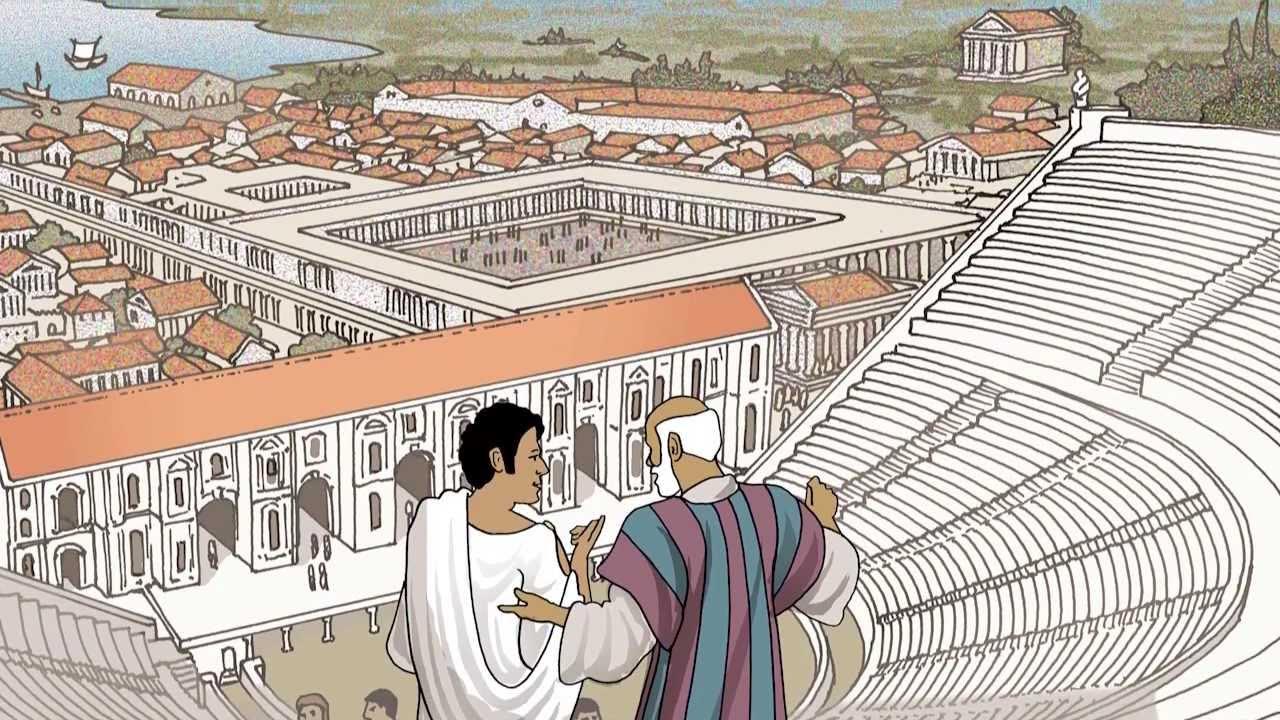
Enraged, the crowd seized Gaius and Aristarchus, two of Paul’s traveling companions, and rushed into the 25,000-seat Great Theatre of Ephesus, the civic heart of the city.
The venue quickly transformed into a chaotic mass assembly. According to biblical accounts, most of the people didn't even know why they had gathered, yet they shouted in anger:
"When they heard this, they were furious and began shouting: 'Great is Artemis of the Ephesians!' Soon the whole city was in an uproar. The people seized Gaius and Aristarchus... and all of them rushed as one man into the theater... They all shouted in unison for about two years: 'Great is Artemis of the Ephesians!'"
— Acts 19:28, 29, 34
Paul attempted to enter the theatre to address the crowd, but his followers and high-ranking local officials (Asiarchs) who were friendly to him urged him not to risk his life. The uproar was finally calmed when the city clerk stepped in, restored order, and reminded the crowd of the legal consequences under Roman law.
Trace the History When You Visit Ephesus Today
When you explore the ancient city of Ephesus today, you can walk in the footsteps of these dramatic events:
-
The Great Theatre: Sit on the stone benches where 25,000 people gathered and imagine the thunderous chants of "Great is Artemis!" echoing through the arena.
-
The Harbour Street (Arcadiane): The majestic avenue leading to the theatre, once trodden by ancient merchants, pilgrims, and philosophers.
-
The Temple of Artemis: The site of one of the Seven Wonders of the Ancient World—the focal point of faith, culture, and commerce that ignited the riot.
Discover the Magic of Ephesus With Us!
Step into history along the path of Apostle Paul and uncover the captivating stories of Ancient Ephesus with our expert guides. Check out our guided Ephesus Tour Programs to book your journey today!